
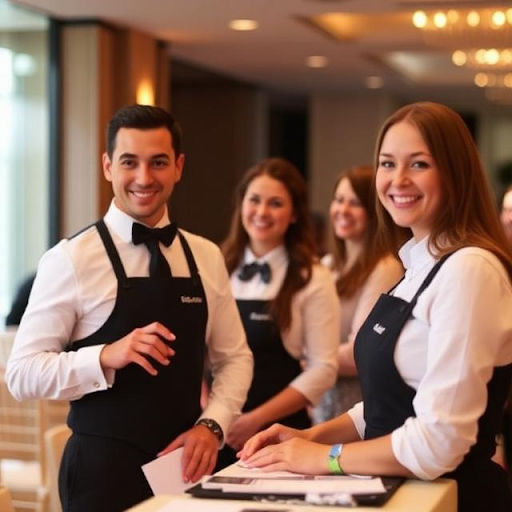
How Experienced Hospitality Staff Support Corporate Events
You can plan every detail of a corporate event, but one thing still decides how it feels on the day. The people.
We have seen well-organised events fall flat simply because the guest experience was off. Slow check-ins, confused guests, no one guiding people properly. It doesn’t take much for things to feel disorganised.
That’s why many businesses now rely on corporate hospitality staff for events to handle the front-facing side of things. It’s not just support. It’s structure.
What Do Corporate Hospitality Staff Actually Do?
Let’s clear this up first. These roles are not just about greeting guests.
Core duties of hospitality staff at events:
- Welcome and guide guests
- Manage registration and check-ins
- Support VIP guest handling
- Assist with seating and directions
- Maintain a professional atmosphere
These front of house event staff roles are all about making sure guests feel comfortable from the moment they arrive.
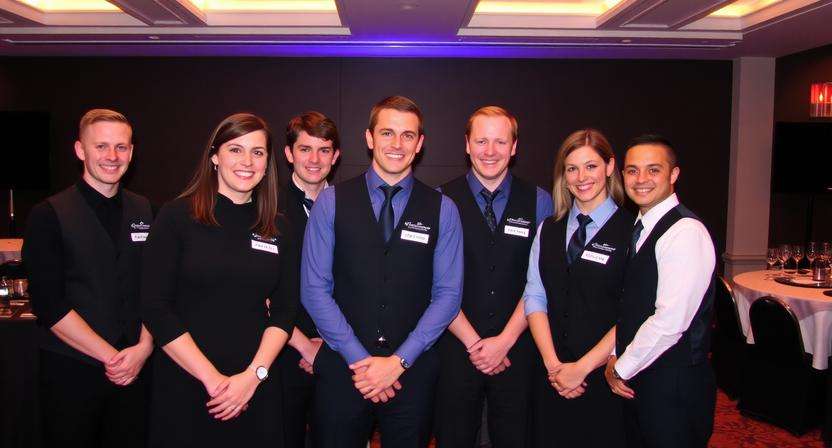
Why Guest Experience Matters More Than You Think
A corporate event is not just about content or networking. It’s about how people feel during the event.
Common issues businesses face:
- Poor guest experience at corporate events
- Long queues at registration
- Guests unsure where to go
- Lack of coordination between teams
When these problems happen, even a good event feels messy.
This is where experienced hospitality staff make a real difference. They don’t wait for problems. They manage them before they grow.
How Corporate Hospitality Staff Support Events
Let’s break this down into practical areas where they help the most.
1. Smooth Guest Arrival
First impressions matter. A lot.
Guest management staff ensure:
- Quick check-ins
- Clear directions
- Friendly interaction
A smooth entry sets the tone for the entire event.
2. Managing VIP Guests
Corporate events often include important clients or stakeholders.
VIP guest handling staff focus on:
- Personal attention
- Fast service
- Clear communication
From my experience, this is where many events fail. VIP guests expect a different level of care, and if that is missing, it shows.
3. Supporting Event Flow
Events are dynamic. Things change quickly.
A good event coordination team:
- Guides guests between sessions
- Helps manage crowd movement
- Supports speakers and organisers
Without this, events start to feel unstructured.
4. Handling Unexpected Situations
No matter how well you plan, something will go wrong.
What professional hospitality staff do:
- Stay calm under pressure
- Solve issues quickly
- Keep things running smoothly
This is something you only get with professional hospitality staff, not last-minute hires.
What Usually Works at Corporate Events
From real experience, a few things always improve outcomes:
- Clear staff briefing before the event
- Defined roles for each team member
- Staff placed at key touchpoints
- One team leader managing operations
These small things create a big difference.
What Often Fails
Let’s be honest. These mistakes happen often:
- Hiring staff without proper briefing
- Too few staff for the size of the event
- No clear responsibility for guest management
- Staff who are not confident interacting with guests
One weak point in the team can affect the whole experience.
Real Insight: It’s Not About Numbers, It’s About Quality
Many businesses think hiring more staff solves the problem.
It doesn’t.
I’ve seen events with fewer but well-trained event hospitality staff perform better than events with large, untrained teams.
Quality always wins.
Corporate Hospitality Staff vs In-House Teams
Some businesses try to manage events with internal staff.
In-house teams:
- Know the company well
- But may lack event experience
Hospitality staffing agency:
- Provides trained staff
- Understand event flow
- Handle guest interaction better
In most cases, using a hospitality staffing agency gives better results.
Where This Fits Into the Bigger Event Strategy
Corporate events are not just about logistics. They are about engagement.
Just like exhibition staffing that draws attention helps attract visitors at trade shows, hospitality staff play the same role in corporate environments. They create interaction, guide people, and keep things active.
When Should You Hire Corporate Hospitality Staff?
You should consider it when:
- You are hosting large corporate events
- VIP guests are attending
- Your internal team is already busy
- You want a structured and smooth experience
Many businesses now hire corporate hospitality staff to avoid last-minute stress and ensure consistency.
Quick Answers
What is the role of corporate hospitality staff?
They manage guest experience, support event operations, and ensure everything runs smoothly.
Do they help with event organisation?
Yes. They support coordination, guest flow, and communication during the event.
Are they needed for small events?
Yes. Even small events benefit from better guest management.
Final Thoughts
Corporate events are not just about planning. They are about execution.
And execution depends heavily on people.
If the team handling your guests is not prepared, the event feels disorganised. If they are trained and confident, everything feels smooth.
That’s why businesses work with teams like Event Hosts, where staff are selected, briefed, and matched to each event properly. It removes guesswork and helps events run the way they should.
FAQs
1. What do corporate hospitality staff do at events?
Corporate hospitality staff manage guest interaction, support check-ins, guide attendees, and ensure a smooth experience. They play a key role in maintaining organisation and professionalism throughout the event.
2. How do I hire corporate hospitality staff for my event?
You can hire corporate hospitality staff by contacting a staffing agency, sharing your event details, and selecting the required roles. The agency then provides trained staff who are prepared to support your event effectively.
3. Why is guest experience important at corporate events?
Guest experience affects how your event is remembered. If guests feel welcomed and guided properly, the event feels organised and professional. Poor experience can make even a well-planned event feel disorganised.
4. What is the difference between hospitality staff and event staff?
Hospitality staff focus on guest interaction and experience, while event staff may handle logistics, setup, or technical support. Both roles are important, but hospitality staff directly impact how guests feel during the event.
5. Do corporate events really need hospitality staff?
Yes, hospitality staff help manage guests, improve flow, and reduce confusion. Even small corporate events benefit from having trained staff to handle guest interaction and coordination.
6. How many hospitality staff should I hire?
The number depends on your event size, guest count, and type of event. Larger events require more staff for guest management and coordination, while smaller events can work with a smaller team.
7. Are hospitality staff trained before events?
Yes, professional hospitality staff are usually briefed before events. They receive information about the event, roles, and expectations so they can perform confidently and support guests properly.


